

This guide describes a classic seven-day wildlife circuit in Kenya, based on an itinerary that was listed on the archived Book Africa Travel site. It is an informational overview and not an offer. The route is aimed at adventure travellers, was run in English and ends in Nairobi.
Tsavo West. A rugged landscape of open grassland, scrub, acacia woodland and river forest. Highlights are Mzima Springs, where water emerges from beneath lava rock, the Shetani lava flows and the Poacher’s Lookout viewpoint. Wildlife includes elephant, rhino, hippo, lion, cheetah, leopard, buffalo and many birds.
Amboseli. Famous for large elephant herds framed by Mount Kilimanjaro, Africa’s highest peak at 5,895 metres. The mountain is often hidden by cloud, so dawn and dusk give the best chance of a clear view. Wildebeest, zebra and sometimes lion and hyena are seen, and more than 370 bird species have been recorded.
Lake Nakuru. A scenic park of rocky escarpments, acacia forest and waterfalls. Flamingo numbers have fallen because of rising water, but pelicans, cormorants, storks and eagles remain. The park is known for rare Rothschild’s giraffe, white rhino and one of Kenya’s larger black rhino populations.
Masai Mara. Wide golden grassland dotted with acacia and river woodland. The great migration of wildebeest, zebra and topi arrives from Tanzania between July and October.
The itinerary used mid-range lodges and tented camps near each park and a budget hotel at Nakuru, or similar. Most meals were included on safari days, with breakfast on the first day and dinner on the last excluded.
Typically included were park fees, game drives, accommodation, a professional driver-guide, transport in a safari vehicle, taxes, airport transfers and drinking water. Excluded were international flights, extra nights, tips, personal items such as insurance and visas, and any government increases in fees.
July to October suits the migration but is busy. Pack layers for cool mornings, binoculars and a good camera. Check visa rules and arrange insurance in advance.
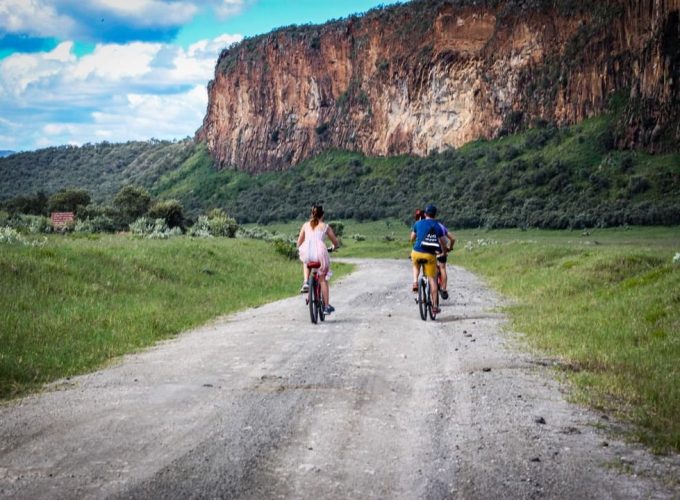
The itinerary is a good fit for first-time safari-goers who want a broad sample of Kenya’s ecosystems in a week: volcanic desert in Tsavo, elephants and mountain views in Amboseli, lake birdlife at Nakuru, big cats and plains game in the Mara and a gentler finish at Naivasha and Hell’s Gate. It involves long drives between parks, often several hours, so it suits people comfortable on rough roads.
Bring neutral-coloured clothing, a warm layer for dawn drives, a wide-brimmed hat, sunscreen, binoculars and a camera with a zoom lens. Keep your voice low near animals, stay inside the vehicle unless the guide says otherwise and never feed wildlife. Ask before photographing local people, particularly in Maasai communities.
Choose operators that employ local guides, respect park rules and avoid crowding sightings. Carry a refillable bottle, take litter out with you and consider a community visit that benefits residents directly.