

Trending Tours

Top Destinations

Two travellers sharing a meal at a restaurant in Uganda

Uganda

Two guides posing on a grassy hill above a city in Rwanda

Rwanda

A guide talking with visitors outside a historic building in Ghana

Ghana

Anyone heading to Africa on a safari, a hiking trip or a rafting day should think about insurance before departure. The archived Book Africa Travel site promoted one specialist adventure-travel insurer. This page does not endorse any company; it explains the cover most travellers compare.

Core types of cover

  • Trip protection. Reimburses non-refundable costs if you must cancel or cut short a trip for a covered reason, such as illness.
  • Emergency medical and dental. Pays treatment bills abroad, which can be high and may require payment upfront.
  • Emergency evacuation. Covers transport to a suitable hospital or back home when local care is not adequate. In remote areas this can be the most expensive item.
  • Baggage and gear. Provides compensation for loss, theft or damage to bags, phones and cameras, usually with per-item limits.

Adventure activities

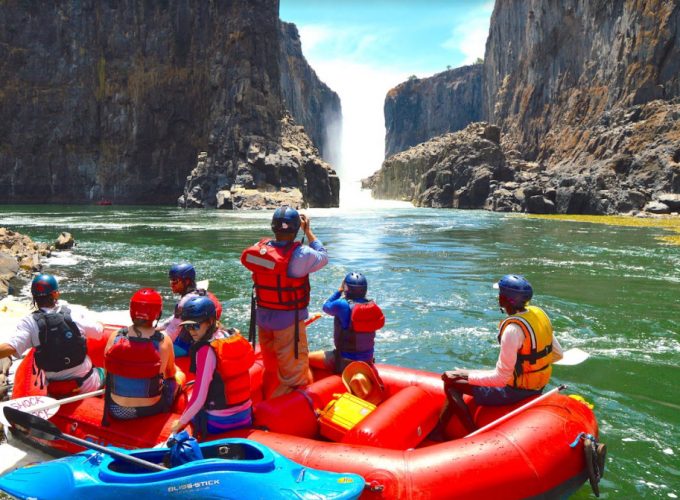
Standard policies often exclude risky sports. Hiking, whitewater rafting and similar activities may need explicit cover, so check the list of included activities and any altitude or grade limits before you book a trip such as the Zambezi rafting day.

What the archived page listed as selling points

The page highlighted seven points: backing by established insurers, round-the-clock emergency help, competitive pricing, the ability to buy or claim online even after leaving home, coverage for adventure sports, access to online travel safety alerts, and extras like language guides and a travel journal. These were marketing claims by the provider and are not independently verified here.

A short checklist

  1. Compare limits for medical care and evacuation.
  2. Read the exclusions, particularly pre-existing conditions.
  3. Check whether the policy can be bought after you have left home.
  4. Note the claims process and what documents you must keep.
  5. Confirm eligibility based on your country of residence.
  6. Make sure the policy covers every activity you plan.

Pair this with the information on visas when planning, and see the FAQ for cancellation questions.