
Trending Tours

Top Destinations

Two travellers sharing a meal at a restaurant in Uganda

Uganda

Two guides posing on a grassy hill above a city in Rwanda

Rwanda

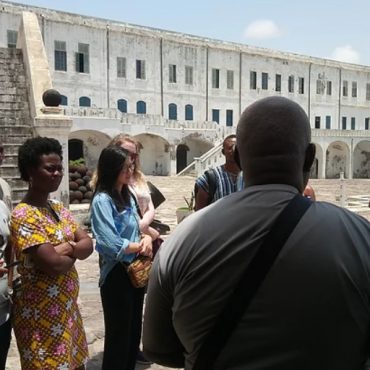
A guide talking with visitors outside a historic building in Ghana

Ghana

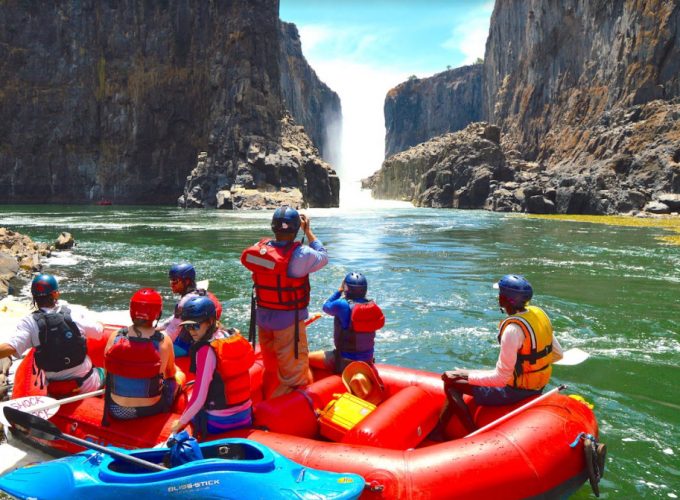
Rafting the Zambezi below Victoria Falls is among the best-known adrenaline days in southern Africa. This page outlines how a full-stretch trip, as described in an archived listing from Zimbabwe, typically runs. It is an overview, not an offer.

The river and the rapids

The route passes through the Batoka Gorge, a steep canyon with dramatic scenery and plenty of birds and plant life. Rapids range from class 3 to 5, with big-name sections such as Morning Glory, Stairway to Heaven and the Oblivion. The listing counted 19 rapids over about 26 kilometres in low water, when most are grade 4 or 5. Low water is usually from August to December. In high water, a shorter half-stretch is run instead from a launch point roughly 15 kilometres away.

How the day unfolds

  1. Pickup. Guests are collected from their hotel or lodge in the early morning and taken to the operator’s office.
  2. Breakfast and paperwork. A light breakfast is served while forms are signed.
  3. Transfer to the canyon. In full-stretch conditions the drive is short; for a half-stretch it is longer.
  4. Equipment and briefing. Everyone receives a life jacket, helmet and paddle, plus a windbreaker if it rains. The head guide gives a safety talk.
  5. Descent. A steep walk down into the gorge leads to the put-in.
  6. Practice. The guide assigns seats and the group practises paddling in a pool before the first rapid.
  7. Rafting. The run goes from rapid 1 to 19. A safety kayaker accompanies the boats to help anyone who falls out.
  8. Climb out and lunch. After the last rapid, guests climb the canyon wall to a buffet lunch with drinks.

Preparing

  • Be a confident swimmer and in reasonable physical shape, since the climb out is demanding.
  • Wear quick-drying clothing, secure footwear and sunscreen.
  • Leave valuables behind.
  • Check that your insurance covers whitewater rafting; see the insurance notes.

What to know about the seasons

River levels change the character of the day. At high water, usually from about February to June, rapids are bigger and some are washed out, so trips start from a different point. At low water, the river is more technical and trips can run the whole stretch. Operators decide each morning which option is safe.

Age and fitness

Operators generally set a minimum age and may ask guests to confirm they can swim and have no conditions that affect rafting. Always follow the guide’s instructions, and tell them about any medical issues in advance.