Planning an African safari comes down to five early decisions: where to go, when to travel, how you want to travel, what health and entry rules apply to you, and how much time you can give it. Settle those in roughly that order and the rest, from packing to daily routine, mostly falls into place.
The steps below follow that sequence, with the mistakes first-timers most often make along the way.
Africa is not one safari destination but several, and each is known for different things. East Africa (Kenya, Tanzania) is famous for open savannah, big herds and the annual wildebeest movement across the Serengeti-Mara ecosystem. Southern Africa (South Africa, Botswana, Namibia, Zambia, Zimbabwe) offers self-drive options, walking safaris and river-based wildlife. Uganda and Rwanda are the usual choices for mountain gorillas and chimpanzees, which is a different kind of trip altogether.
Write down two or three animals or experiences that matter most. A person hoping for gorillas and a person hoping for lions on open plains need different itineraries, and trying to do both in a week usually means a lot of driving.
Wildlife viewing in much of Africa is shaped by rainfall. In many savannah parks the dry months are popular because vegetation thins and animals gather around permanent water, which makes them easier to find. Wet seasons bring green scenery, newborn animals and fewer visitors, but also muddier roads and thicker bush.
The wildebeest herds move in a rough annual circuit, so the “migration” is a moving target rather than a single event. River crossings in the northern Serengeti and the Maasai Mara are usually reported in the middle of the year, but timing varies from one season to the next, so treat any month as a probability rather than a guarantee.
Seasons differ by region and shift with the weather, so check a national park authority or a meteorological service for the area you choose rather than relying on a generic chart.
This is the step with the longest lead time and the least room for guessing. Rules differ by nationality, and they change.
All of this can change, so check again shortly before departure. The site’s own visa checking guide explains how to approach it.
The main formats differ in cost, flexibility and pace.
| Style | How it works | Suits |
|---|---|---|
| Guided group trip | Fixed route, shared vehicle | First-timers who want simplicity |
| Private guided trip | Own vehicle and driver-guide | Photographers, families, set interests |
| Self-drive | You drive a hired vehicle in parks that allow it | Confident drivers, mostly Southern Africa |
| Lodge-based stay | One or two bases, daily game drives | People who dislike packing and moving |
| Mobile camping | Tented camp moves between areas | Those who want a remote, hands-on feel |
For a first trip, a guided format removes many decisions. A good driver-guide reads animal behaviour, finds sightings and handles park rules, which is where much of the value sits.
Resist the urge to add one more park. Game drives typically happen in the early morning and late afternoon, when animals are active and the light is soft, leaving the middle of the day for rest. A route that crosses long distances on rough roads eats those hours.
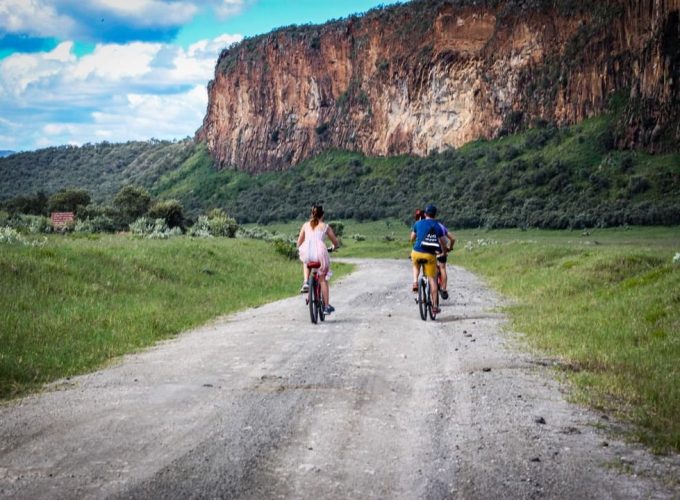
Spending two or three nights in each base is a useful rule of thumb. A one-week East African trip might combine a savannah park, a highland or lake area and a rest day, rather than five camps in seven nights. For an idea of how a real route can be paced, see the 7-day Kenya safari overview.
Packing for a safari is mostly about layers, sun and dust.
The site’s page on travel insurance for Africa trips covers what to check in a policy.
Many travellers begin several months ahead, mainly because popular lodges and permits can fill, and visas or vaccinations take time. Gorilla permits, in particular, are limited and are usually arranged well in advance. A flexible, off-peak trip can be planned more quickly.
It depends on the country, your route and your health history. Some places require proof of yellow fever vaccination depending on where you have been, and malaria prevention is commonly discussed. Ask a doctor or travel clinic and check the CDC or your national health service.
A first safari works best when the animals, season and style are chosen before the route is drawn. Once those are fixed, the practical items (documents, health, packing) become a checklist rather than a worry. For more destination ideas, browse the blog and compare a few itineraries before you decide.